Accurate Patient Estimates with Healthcare Cost Estimator
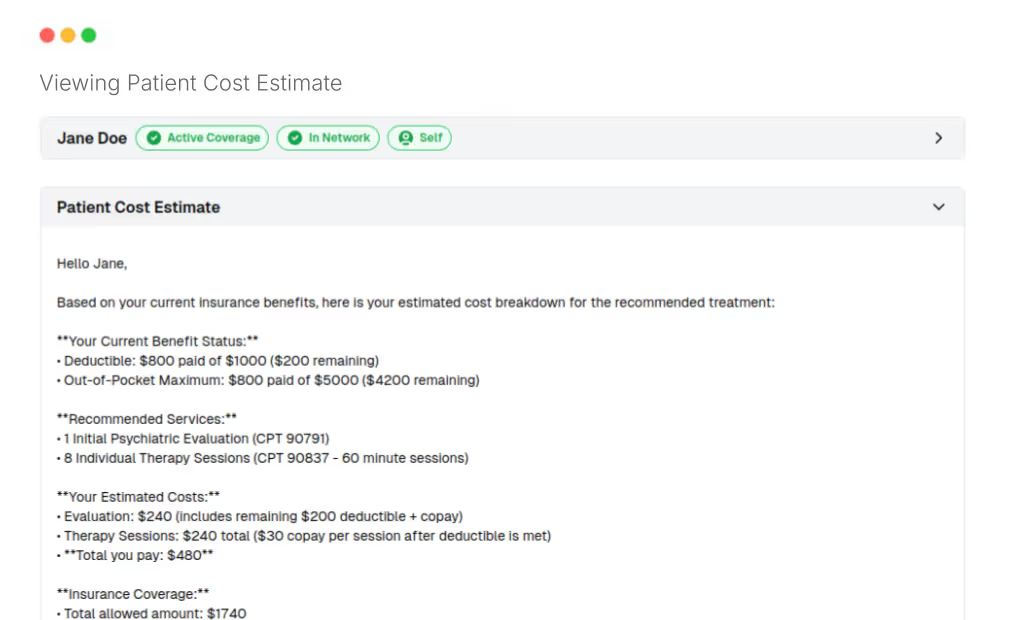
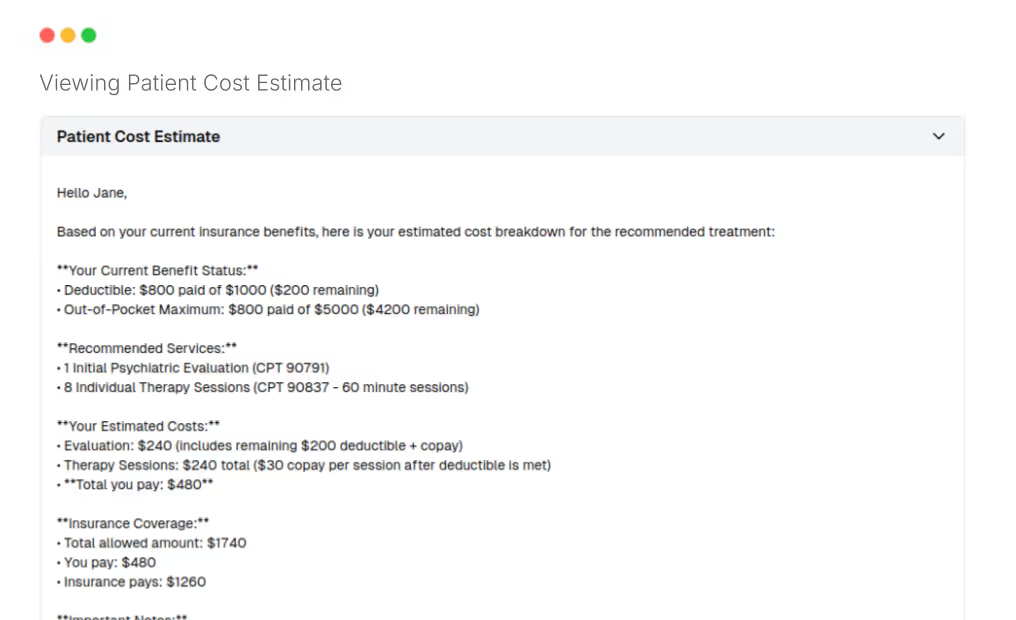
Unexpected bills are a leading cause of patient churn. Fuse removes billing surprises by using verified, CPT-code level benefits data to create clear fee estimates you and your patients can rely on. Build lasting trust with patients through accurate cost estimates and improve the patient financial experience.
SCHEDULE A DEMO






Patient Trust
Upfront cost estimates lead to better patient relationships and fewer billing complaints. Patients being surprised by the cost of care after treatment leads to failed collections and lost profits for your practice. Create loyalty and improve collection rates by offering price transparency.
HIPAA-Compliant Healthcare Automation Platform



Get Started with Patient COST Estimates Today

FAQs
How accurate are the patient fee estimates provided by Fuse?
Fuse uses real-time insurance data and CPT codes to generate fee estimates for your exact services. While we strive for maximum accuracy, final costs may depend on factors such as the actual care received, claim processing, and any updates to your benefits at the time of service. Most estimates are within a small margin of what patients pay, allowing you to plan with confidence.
What insurance information do you need to calculate patient costs?
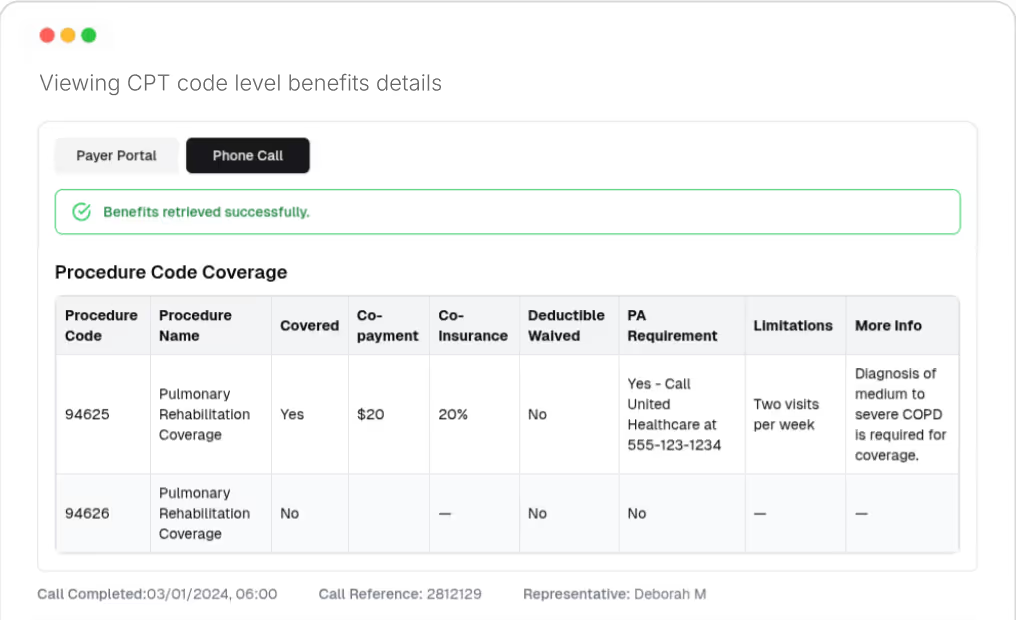
To create a personalized estimate, Fuse needs basic patient insurance details such as insurer name, member ID, DoB, together with the planned procedures for the visit and the allowed amounts (negotiated rates) for each procedure. This information allows us to create estimates that closely match expected patient financial responsibility.
Can patients access their fee estimates before their appointment?
Yes. Fuse allows patients to review their fee estimates before their appointment, provided that their insurance details are accurate and can be verified through a payer portal check or phone call.
How does the fee estimate tool handle high-deductible health plans?
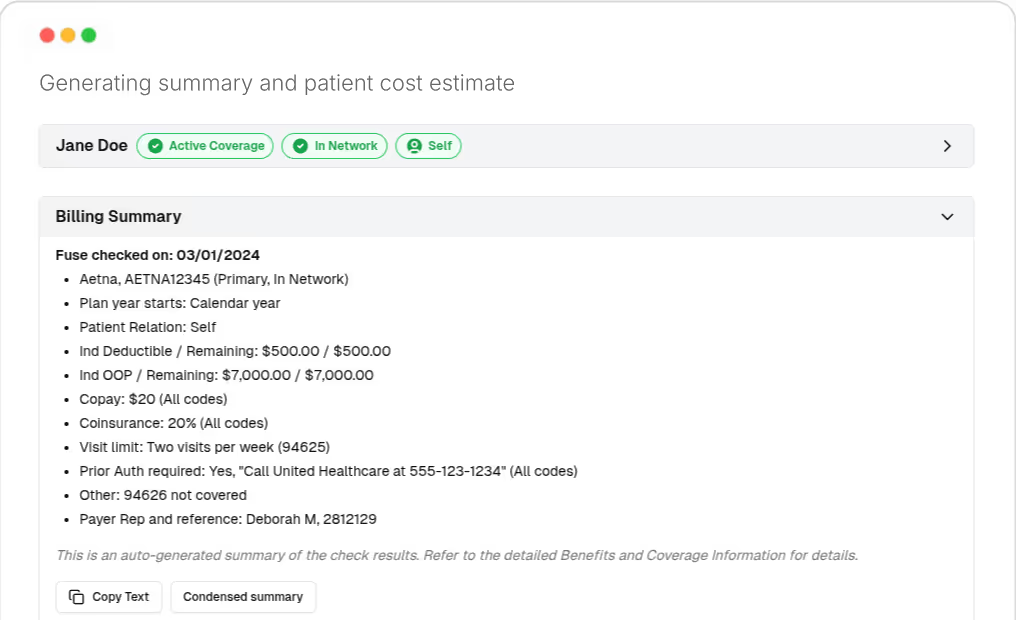
Fuse’s estimator calculates patient current deductible balance by pulling the latest data from the insurer portal. We clearly break out the deductible, coinsurance, and copay amounts for each visit, so patients see exactly what applies regardless of whether they have a high or low deductible plan.
What happens if a patient's actual costs differ from the estimate?
While Fuse uses up-to-date information for each estimate, actual costs may change due to new treatments performed, insurance processing delays, or plan updates between the time the fee estimate is created and when the patient actually receives care.
How does healthcare cost estimation software work?
Fuse generates patient cost estimates by combining real-time insurance data with CPT codes for planned procedures. Fuse's estimator pulls the latest deductible balance from the insurer portal and calculates patient responsibility by breaking out deductible, coinsurance, and copay amounts for each visit. This requires basic patient insurance details, planned procedures, and allowed amounts (negotiated rates).